Journal · Money · Oct 3, 2026
How to budget when your income changes every month
Build a simple cash-flow plan for freelance, shift or seasonal income without pretending every month pays the same.
By Nexora Vault
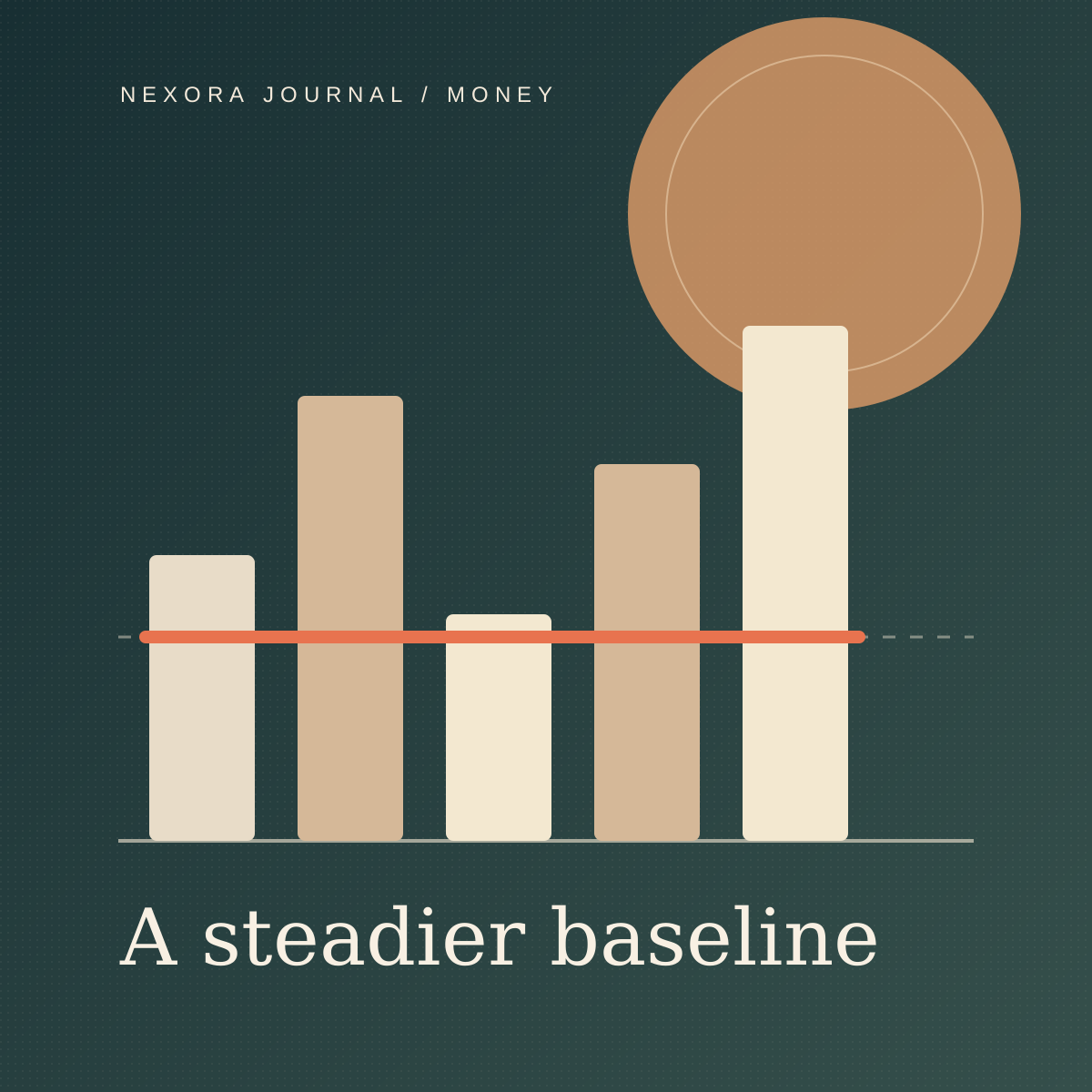
A budget built around your best month fails when the next one is quiet. If your pay changes with shifts, clients or seasons, start with a conservative baseline and a calendar. The goal is to know which money is already spoken for before you decide what is available to spend.
1. Find a safe planning number
Look at your last six to twelve months of take-home income. Mark your lowest ordinary month, leaving out one-off windfalls. Use that amount as a starting point for essential spending. MoneyHelper recommends budgeting around a low month, then deciding what to do with extra income when it arrives. If the low month cannot cover essentials, the answer is not a prettier spreadsheet: look for support, changes to fixed costs or free debt advice.
2. Put every bill on a calendar
Write the amount and due date of rent, utilities, transport, food, minimum debt payments and other essentials. Add annual or seasonal bills, then divide their expected cost by the months until they fall due. A monthly total alone can hide a difficult week. The Consumer Financial Protection Bureau's cash-flow tool focuses on when money enters and leaves, which matters especially when income is irregular.
For example, if an annual bill of 240 is due in six months, setting aside 40 a month gives it a place in the plan. This is an illustration, not a target for every household.
3. Give a good month an order of jobs
Before a higher payment arrives, decide where extra money will go: first cover upcoming essentials, then tax or business obligations if they apply, then a buffer for lean months, and only then optional spending or extra debt repayment. Keep tax money separate from spendable income. The correct tax amount depends on your location and circumstances, so check your local tax authority or a qualified adviser.
4. Reset weekly, not only monthly
Once a week, compare the next 14 days of expected income with the bills due in that window. Move optional spending before a cash shortfall becomes a missed payment. If you cannot cover a bill, read our guide to calling a creditor before the due date.
A tool is useful only if you will revisit it. The Quiet Money Method provides a guided reset and ledger if you want a more structured way to track your numbers; check the product details to see whether its format fits you. This article is general education, not personal financial advice.