Journal · Money · Oct 3, 2026
Debt snowball vs avalanche: which payoff order should you use?
A clear comparison of the two common payoff methods, with a practical way to choose after priority bills are safe.
By Nexora Vault
The snowball and avalanche methods answer one narrow question: where should an extra debt payment go? They do not replace rent, food, utilities or required minimum payments. If you cannot cover those, or face urgent action over your home or essential services, seek free, independent debt advice before choosing a payoff method. MoneyHelper explains why priority debts come first; the exact rules vary by country.
The difference in one minute
- Avalanche: after required payments, send extra money to the debt with the highest interest rate. When it is cleared, move that payment to the next highest rate.
- Snowball: after required payments, send extra money to the smallest balance. When it is cleared, roll its payment into the next smallest balance.
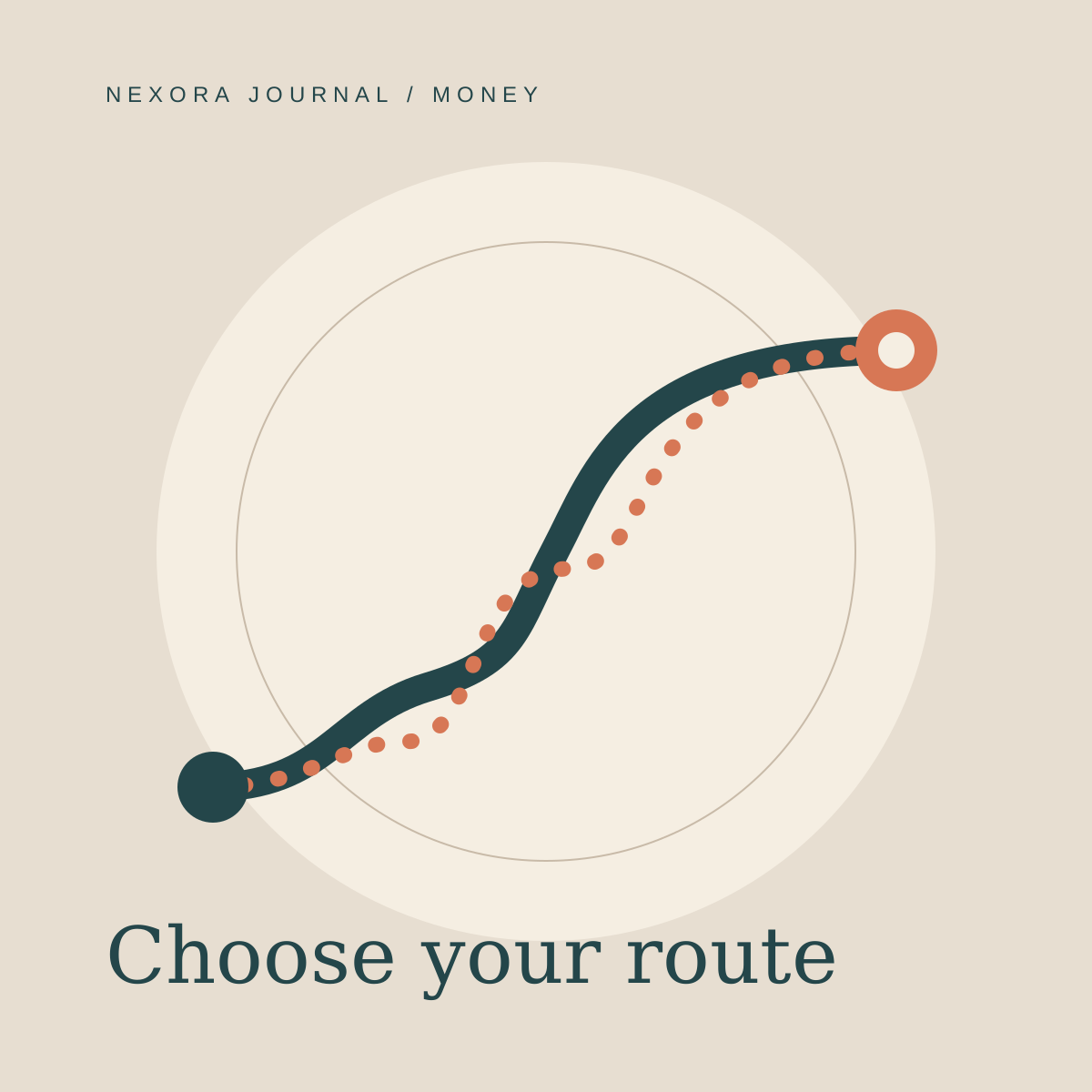
The Consumer Financial Protection Bureau describes both methods: highest rate first usually costs less interest over time, while smallest balance first can show a completed debt sooner. Neither method makes unaffordable payments affordable.
A small example
Imagine a card with a 500 balance at 24% annual interest and another with a 2,000 balance at 12%. If both minimums are being paid and you have an extra 50, snowball directs it to the 500 balance because that is smaller. Avalanche also directs it there because its rate is higher. The methods differ only when the smallest debt is not the highest-rate debt. List your actual balances and rates to see whether there is a real choice.
How to make the choice
Write every debt on one page: balance, rate, required payment, due date and whether it is secured or priority. Check for promotional rates that expire, fees and debts with consequences beyond interest. Then compare both orders using your real numbers. If a quick early finish will keep you engaged, snowball may be more workable. If you can stay with a longer first target, avalanche may lower the cost. Revisit the order when a rate changes or a debt is paid off.
Do not assume a payoff date from a static balance: interest and new charges change it. The Debt Exit Map includes space to list debts, compare orders and track progress if you prefer a fillable or printable plan. It is a planning tool, not debt advice. If minimums are unaffordable, start with what to say when you cannot pay a bill and a free adviser.