Journal · Money · Oct 3, 2026
How to find forgotten subscriptions and decide what to cancel
A 30-minute audit for recurring charges, renewals and free trials that quietly became monthly spending.
By Nexora Vault
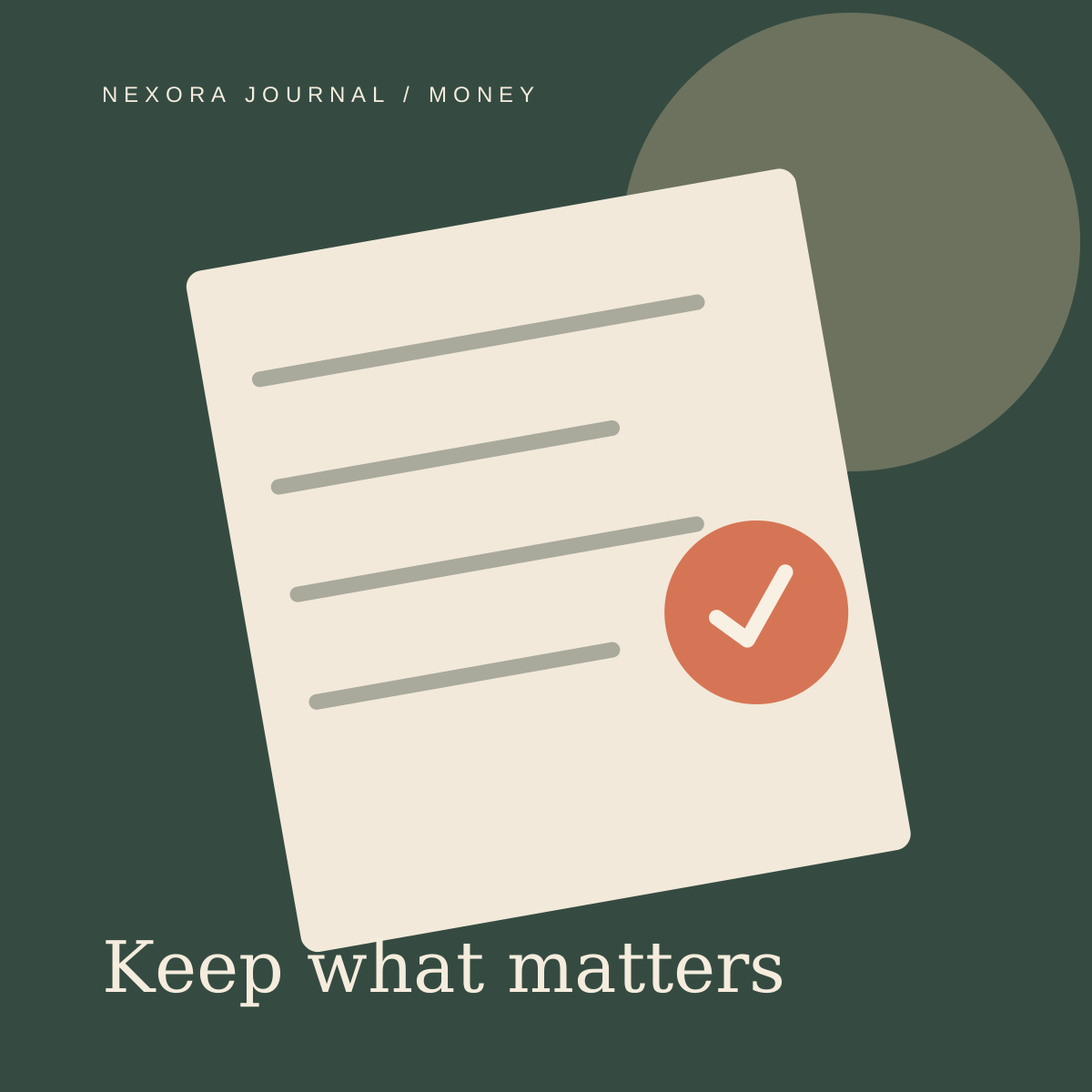
A subscription audit is less about cancelling everything and more about deciding whether each recurring charge still earns its place. Give yourself 30 minutes, your last two or three statements, and a place to record the result.
Search in four places
- Bank and card statements: look for repeated merchant names and small monthly charges. Check annual charges against a longer statement range.
- Phone app stores: review subscriptions attached to each account you use, including an old work or family account.
- Email: search for “receipt,” “renewal,” “trial ending” and the names on your statements.
- Payment services: inspect recurring payments separately from your main bank card.
Write the service, price, billing date, account email and cancellation location. If a merchant name is unclear, investigate it through your own account records rather than assuming it is a subscription or disputing a valid charge.
Choose keep, pause or cancel
For each service ask: Did I use it in the last month? Would I pay today's price to sign up again? Is a free version enough? Does it solve the same problem as another service? A useful subscription can stay. A service you use for one season may be better paused between projects if the provider permits it.
Check the cancellation terms and whether cancelling ends access immediately or at the next renewal. Save the confirmation and check the following statement. If you cannot find the account, contact the provider using its official support channel. Do not send account credentials by email.
Put the savings to work
If you cancel a 12-per-month service, the arithmetic is 144 over twelve months only if the charge would otherwise have continued for all twelve. Decide where that money should go next: an upcoming annual bill, a cash buffer or a debt payment. The CFPB's money toolkit includes spending and cash-flow tools for making that choice.
If you want a broader 30-day review of incoming and outgoing money, see The Quiet Money Method. For changing pay, pair the audit with our irregular-income budget guide.